
Let’s start Part II
From Device to Cloud: Apple’s Subtle AI Integration Strategy
As part of my short iOS/Apple trilogy, this piece explores how Apple weaves AI through device-to-cloud journey without loudly branding it as AI. Even as a Microsoft-focused practitioner, it’s hard to miss how quietly effective this strategy is. Here’s what stands out, and why it matters for anyone navigating cross-platform environments.
Apple’s Hybrid Intelligence Model
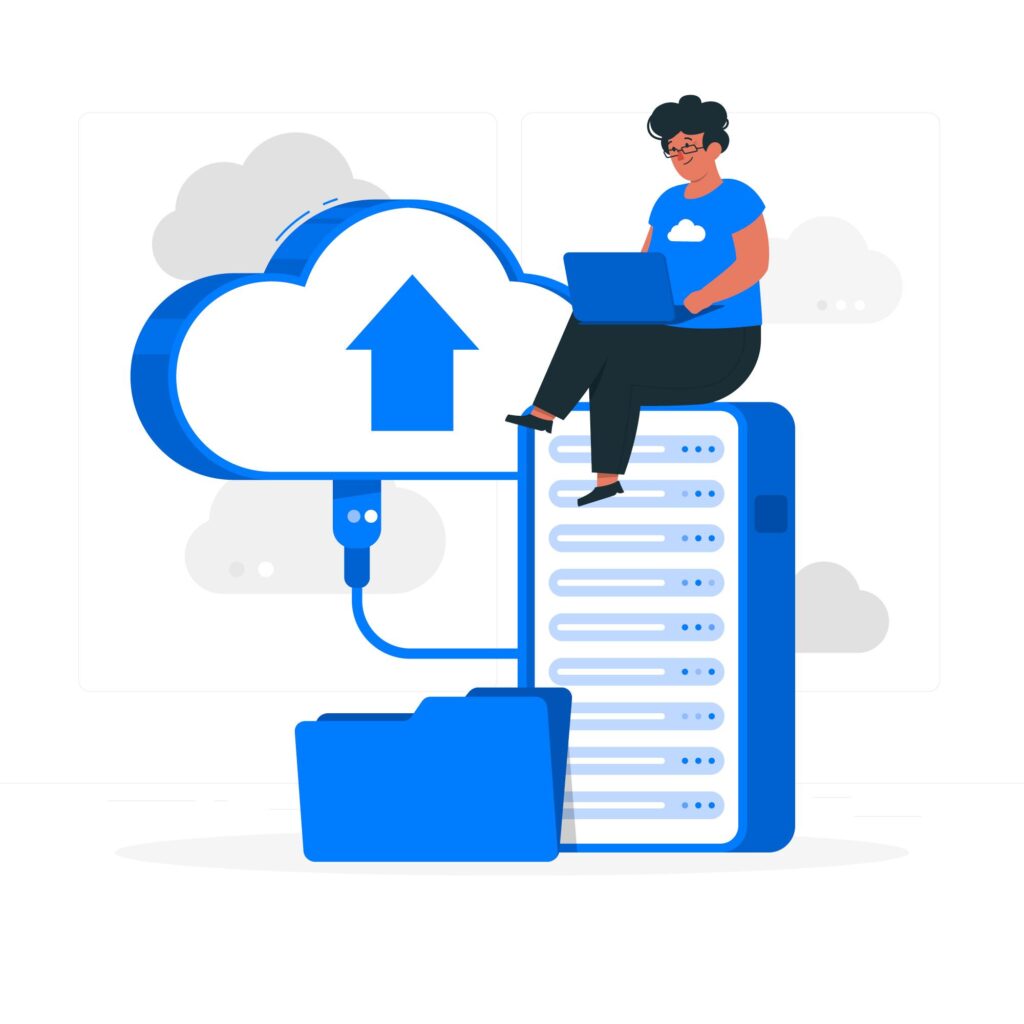
Apple’s AI strategy branded as Apple Intelligence blends on-device processing with a new Private Cloud Compute (PCC) layer. Instead of leaning entirely on huge cloud models, Apple pushes a hybrid model that stays personal, secure, and deeply integrated.
On-Device First
Most Apple Intelligence actions run locally on an end user’s iPhone, iPad, or Mac through Apple Silicon Neural Engine. This on-device bias delivers three core benefits:
- Privacy: Sensitive content stays local. Messages, photos, health data, and personal context never leave the device unless absolutely required.
- Speed: No round-trip delay. Local processing gives instant, real-time interactions without dependency on external servers.
- Seamless Integration: AI sits inside Mail, Notes, Photos, and system flows. No separate AI “mode,” no banners, no noise, just native, predictable behavior.
Private Cloud Compute for Heavy Lifts
When a task needs more compute than a device can handle, it gets escalated to ‘Private Cloud Compute’. This layer reflects Apple’s quiet but strategic engineering shift:
- Apple Silicon Servers: PCC runs on custom M-series-based servers, applying same hardware-rooted protections users expect on personal devices.
- Verifiable Privacy: Requests are encrypted end-to-end, executed only on certified PCC nodes, and never stored after processing.
- Transparency: Apple allows independent experts to inspect server-side code stacks an uncommon move in an industry built on opacity.
A Quiet, Long-Arc Strategy
Apple avoids turning AI into a ‘hero’ feature or standalone product. Instead, it positions intelligence as a system capability that quietly elevates everyday experiences. This approach may appear slower than competitors’ massive cloud-first rollouts, yet it deliberately prioritizes trust, privacy, and long-term adoption over hype cycles.
By stitching AI from device to cloud through secure, verifiable pathways, Apple is reshaping expectations around personal technology, without forcing end users to think about model sizes, cloud tokens, or settings. For cross-platform practitioners, this subtle strategy is worth watching closely.
- “Next, I’ll share how this model shifts the architect’s role.”