
Over coffee with a fellow TPM recently, one thing was clear; New Year honeymoon is over. Budgets are tightening. Scrutiny is rising. It’s time for a real conversation.
Naturally, our discussion turned to feature creep in a proposed software app, something that seems harmless at first but rarely is.
Feature creep is the uncontrolled addition of new capabilities beyond a product’s original scope. It’s usually well-intentioned. However, if left unchecked, it overwhelms users, bloats software product, and quietly derails delivery process through delays, cost overruns, and mounting engineering overhead.
Every “small” addition compound i.e. more code to build, test, document, secure, and maintain. Roadmaps stretch. Technical debt grows. Project teams burn cycles on complexity instead of impact.
Avoiding this “feature creep chaos” requires disciplined planning, clear communication, and the courage to say no.
That coffee conversation reinforced something important i.e. without a clearly defined and protected (software) product vision, feature creep is inevitable. Here’s how to prevent it.
Establish a North Star. A concise, well-defined product vision acts as a guiding principle for all decisions. It keeps everyone from developers to executives aligned around core purpose and direction.
Create a strategic roadmap. A roadmap outlines planned features and release timelines, ensuring every new request is evaluated for strategic value. Treat it as a document of intent, not just a list of features.
Focus on Minimum Viable Product (MVP). For new launches, concentrate on essential features that define initial success. Additional enhancements can follow once ‘MVP’ has been validated through real user feedback.
Implement a Robust Change Control Process
Formalize change requests. Require all proposed scope or feature changes to be formally documented. This prevents informal “drive-by” ideas from derailing focused execution.
Use an objective prioritization framework. Apply tools such as MoSCoW (Must-have, Should-have, Could-have, Won’t-have) or RICE (Reach, Impact, Confidence, Effort). These frameworks help prioritize based on value and alignment, not volume or personality.
Assess true impact before approval. Every change carries cost. Evaluate effects on schedule, budget, and resources, and ensure stakeholders understand the trade-offs behind each addition.
Cultivate a User-Centric Culture
Rely on targeted end user research. Look for behavioral patterns rather than reacting to isolated feedback. Consistent research validates whether a new request addresses genuine end user needs.
Use data-backed insights. Analytics reveal which software features users truly engage with. Low adoption may indicate candidates for rework or removal.
Learn to say “no” with clarity. Project leaders must be empowered to decline misaligned requests. Back each “no” with transparent reasoning rooted in end user value and product vision to preserve trust.
Embrace Agile Principles for Controlled Flexibility
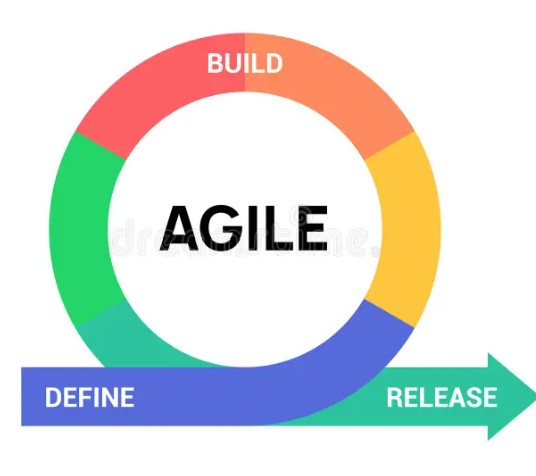
Develop iteratively. Agile methods such as Scrum break work into short, manageable sprints. This keeps delivery continuous and priorities adaptable, without allowing feature creep to accumulate.
Groom the backlog regularly. Frequent backlog reviews ensure requests are properly evaluated and prioritized before taking shape in code.
Run sprint reviews and retrospectives. Bring stakeholders into sprint reviews to share progress and realign expectations. Retrospectives help project teams to reflect on what worked, what didn’t, and how well scope was managed.
Bottom line: Feature creep chaos doesn’t happen overnight, rather it grows quietly from good intentions. A disciplined roadmap, empowered product leadership, and steady focus on end user value keep creativity from collapsing into complexity.