

While compute infrastructure forms a foundation of AI’s cost structure, it is only the first ripple. As organizations move from experimentation to production, a second, often larger wave emerges of data pipelines, where continuous movement and transformation of data introduce a new layer of complexity, scale, and hidden cost.
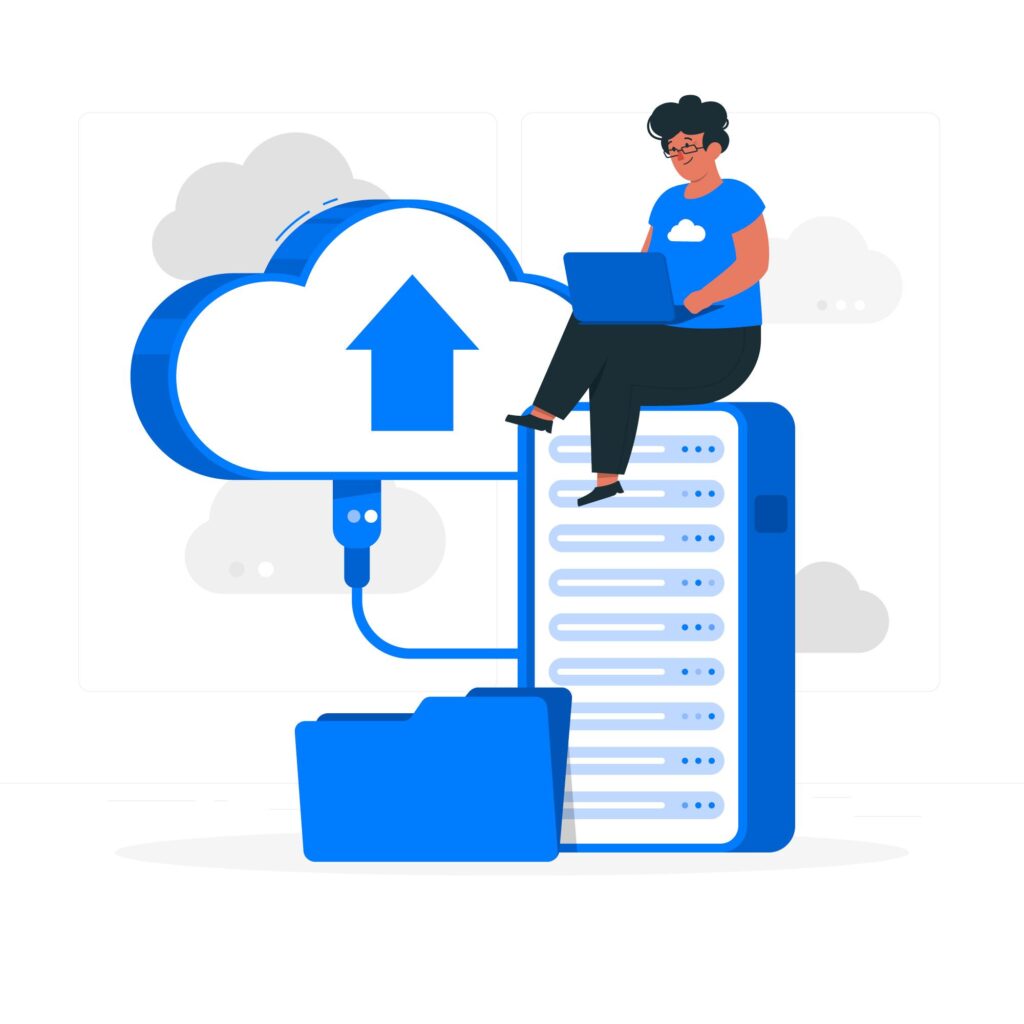
If compute infrastructure is described as first ripple, data pipelines quickly become the second, and often larger wave of hidden AI costs. AI systems thrive on data, however that data rarely arrives in a clean, ready-to-use format. It must be continuously collected, transported, transformed, validated, and stored before models can extract value from it.
Modern AI architectures rely on high-throughput, real-time data pipelines that move information from operational systems into data lakes, feature stores, and model training environments. Unlike traditional batch pipelines that run periodically, many modern AI systems operate on event-driven architectures where data flows continuously through streaming platforms such as Kafka, Pub/Sub, or Kinesis.
This shift introduces significant architectural complexity and cost.
Some of the key drivers behind a hidden data pipeline ripple include:
- Continuous Data Movement: AI systems require constant ingestion of logs, user interactions, telemetry, and external datasets. Streaming pipelines dramatically increase data movement across cloud infrastructure, which directly increases storage and transfer costs.
- Multi-Hop Data Architecture: Modern pipelines often follow a layered structure, commonly referred to as ‘Bronze, Silver, and Gold’ data stages. Raw data is first ingested, then cleaned and transformed, and finally refined for analytics or machine learning (ML). Each stage requires additional storage, compute resources, and processing cycles.
- Event-Driven Systems: Real-time architectures depend on distributed messaging platforms such as Kafka, Pub/Sub, or Kinesis. While powerful, these systems introduce operational overhead, infrastructure costs, and engineering complexity.
- Data Quality Enforcement: AI models are only as reliable as the data they consume. Modern pipelines therefore incorporate automated validation frameworks such as Deequ or Great Expectations to detect anomalies before data reaches downstream systems.
- Pipeline Orchestration: Workflow orchestration tools such as Airflow coordinate complex data dependencies and recovery mechanisms. While essential for reliability, orchestration adds yet another layer of infrastructure to manage and operate.
Beyond infrastructure costs, data pipeline failures can create ripple effects across an organization. Broken pipelines delay analytics, disrupt model retraining, and impair decision-making processes that depend on timely data.
As AI adoption grows, many engineering teams are shifting toward treating data as a product, with dedicated owners, documentation, governance, and service-level expectations. This evolution improves reliability but also expands operational scope and cost.
In short, AI does not simply require models and compute, it also demands a continuously operating data supply chain. Therefore, like any supply chain, maintaining its reliability, scale, and quality comes with substantial hidden costs.
Third Episode will come next week, Subscribe for notification.